HALFWAY DAY:July 2 is Halfway Day
July 2 is Halfway Day
How will you spend the middle day of the year?
July 2: Halfway Day
On this site, I propose that we treat **July 2 as the turning point of the year, a day to deliberately take a break.**
I have been trying to make July 2 a personal day off. Until July 2 becomes an official holiday on the calendar, I plan to keep spreading the word that it is the middle of the year, the turning point, and the perfect time to rest.
HALFWAY DAY
July 2 is Hangeshō
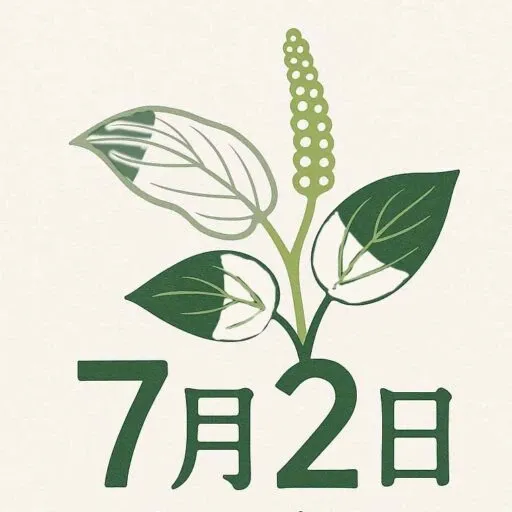
Hangeshō (半夏生) falls around the 11th day after the summer solstice (around July 2 each year). It is one of the 72 micro-seasons of the traditional Chinese calendar, which divides the year into 24 solar terms and then splits each of those into three, making 72 periods of about five days each. In Japan, Hangeshō was traditionally seen as the deadline for finishing rice planting. People said that rice planted after this point “won’t take root,” so for people in the past it was an important milestone in living with nature. There was even a custom of taking a “Hangeshō holiday.” In the Kansai region (around Osaka and Kyoto) in particular, people eat octopus on this day, in the hope that the rice plants will take root as firmly as an octopus’s legs hold on. It is a day that keeps alive an old wisdom: feeling connected to nature through food and prayer at the turning of the seasons.
Note: In 2025, it fell on July 1.
Why is July 2 the halfway point?
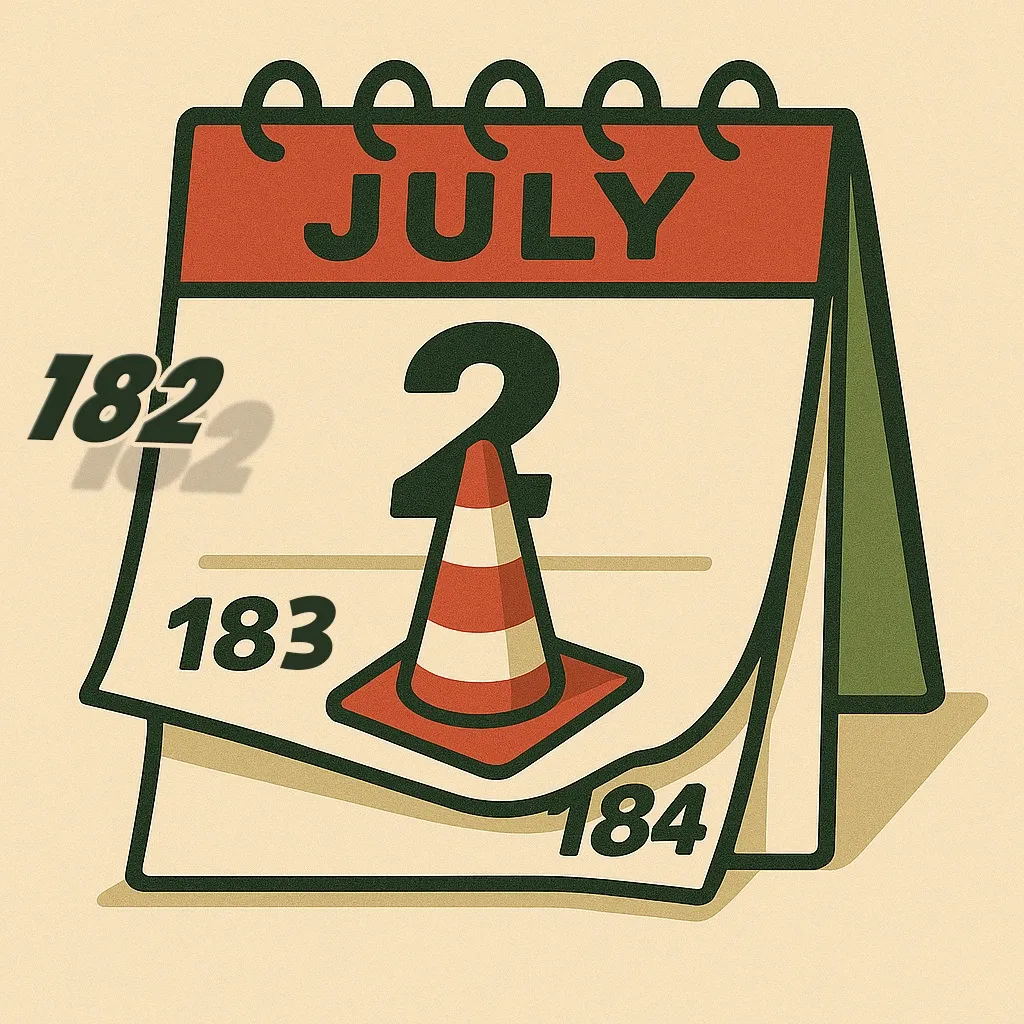
First of all, why is there a middle day at all? Divide 365 by 2 and you get 182 with a remainder of 1. That is the reason: the number of days is odd. If you simplify things and imagine a year with only three days, it’s easy to picture the middle one.
Then why the 2nd, and not the boundary between June and July? You can count it out, but if you remember that February has only 28 days, you can guess that the first half comes up a little short.
What about leap years? Then the turning point falls between July 1 and July 2. Even so, I think it’s fine to keep thinking of the 2nd as the halfway day.
What to do on July 2?
Rest
First, let’s think about this day in terms of rest.
In Japan, this is when rice planting comes to an end, and half the year is already behind us. How about rewarding yourself with a little time to do nothing at all? Taking a cue from the Hangeshō holiday of the old farming calendar, let’s relax and treat ourselves.
Try boketto
Some people fill their days off with plans and end up just as busy. So why not deliberately try boketto: gazing vacantly into the distance without thinking about anything? Make some time with nothing scheduled. For active types, that alone may be a challenge.
I’ve heard that during zazen meditation you think of nothing and let your mind stop working. Stepping out of the world of logos on purpose could be a little adventure of its own.
Lost in Translation: An Illustrated Compendium of Untranslatable Words by Ella Frances Sanders included our Japanese word “boketto,” along with “wabi-sabi” and “tsundoku.” It is a curious bit of Japan that the rest of the world finds fascinating: BOKETTO. Ideally, you’d be lounging around on July 2 and realize you’d slipped into boketto without even trying.
Take a day off
I’ve been making a big deal of July 2, but it isn’t a public holiday. In Japan, there isn’t a single public holiday between early May and mid-July. Many other places are similar. In the UK, for example, there are no bank holidays between late May and late August, and for many people the summer vacation is still weeks away. So how about taking a day off just for yourself around now?
Eat
In Japan, with rice planting finished and everyone taking a breather, some regions hold festivals to celebrate Hangeshō. As the seasonal dish for the occasion, people mainly in the Kansai region eat octopus. Other regions have their own food traditions, such as udon noodles or mackerel.
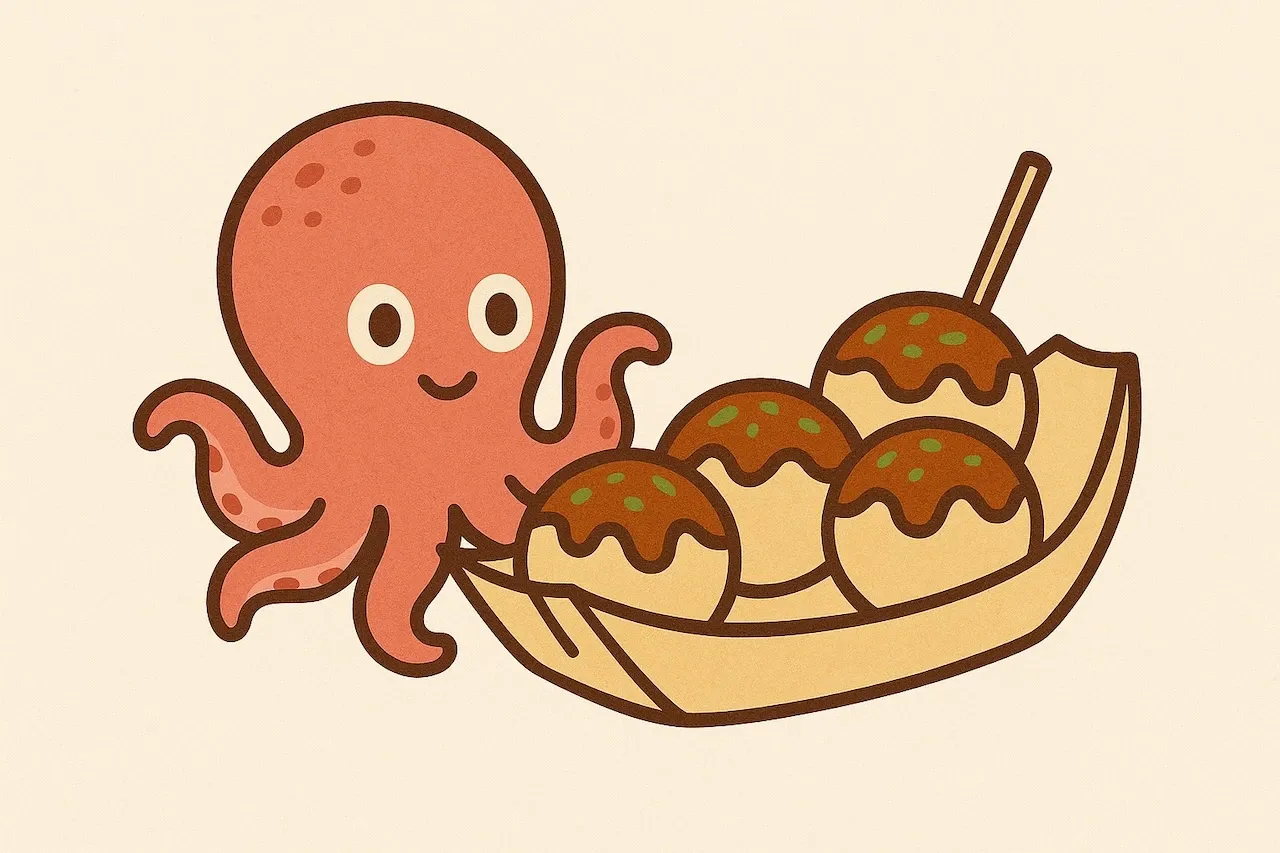
Eat octopus
Easy to find and often on offer. Rich in taurine, which helps you recover from fatigue.
- Takoyaki (octopus balls): Very easy to eat, and readily available at specialty stands and supermarkets.
- Fried octopus (tako karaage): A classic on izakaya (Japanese pub) menus.
- Chilled octopus pasta: Add tomato and basil to get your vegetables and a cool, refreshing touch.
- Octopus sunomono (vinegared salad): Keeps the taurine and vitamins intact / light and gentle on the stomach.
- Octopus sashimi: All the nutrients as they are / high in protein, low in fat.
- Garlic sautéed octopus: Sauté in a little olive oil to help your body absorb the vitamins.
- Marinated octopus and vegetables: Pair with antioxidant-rich vegetables for a well-balanced dish.
- etc.
Look back
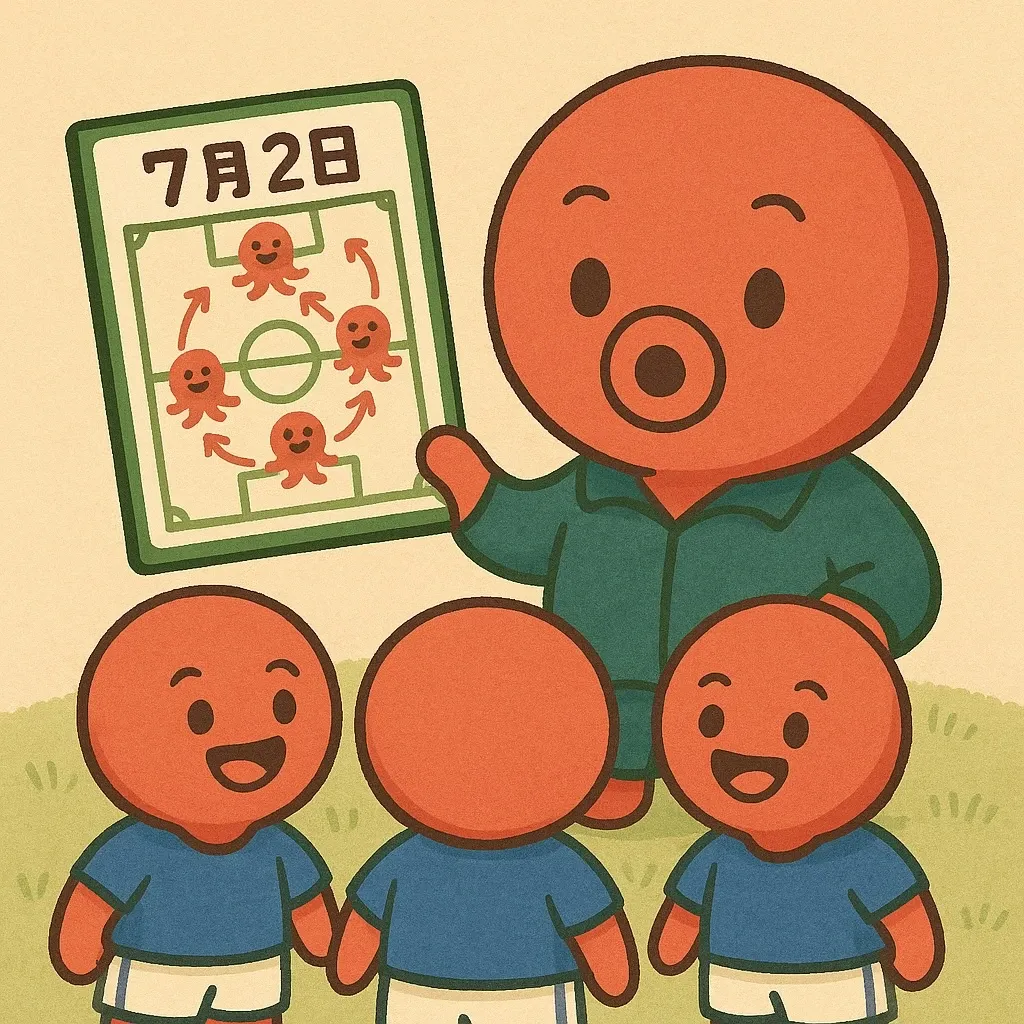
July 2, completely off everyone’s radar. July 2, when you suddenly notice half the year is already gone. July 2, never to come again…
At halftime in soccer, teams look back on the first half and rethink their strategy.
This is the year’s halftime. How far have you come on the goals you set at New Year’s? You could give yourself a midterm evaluation and reset your goals for the second half.
Check in
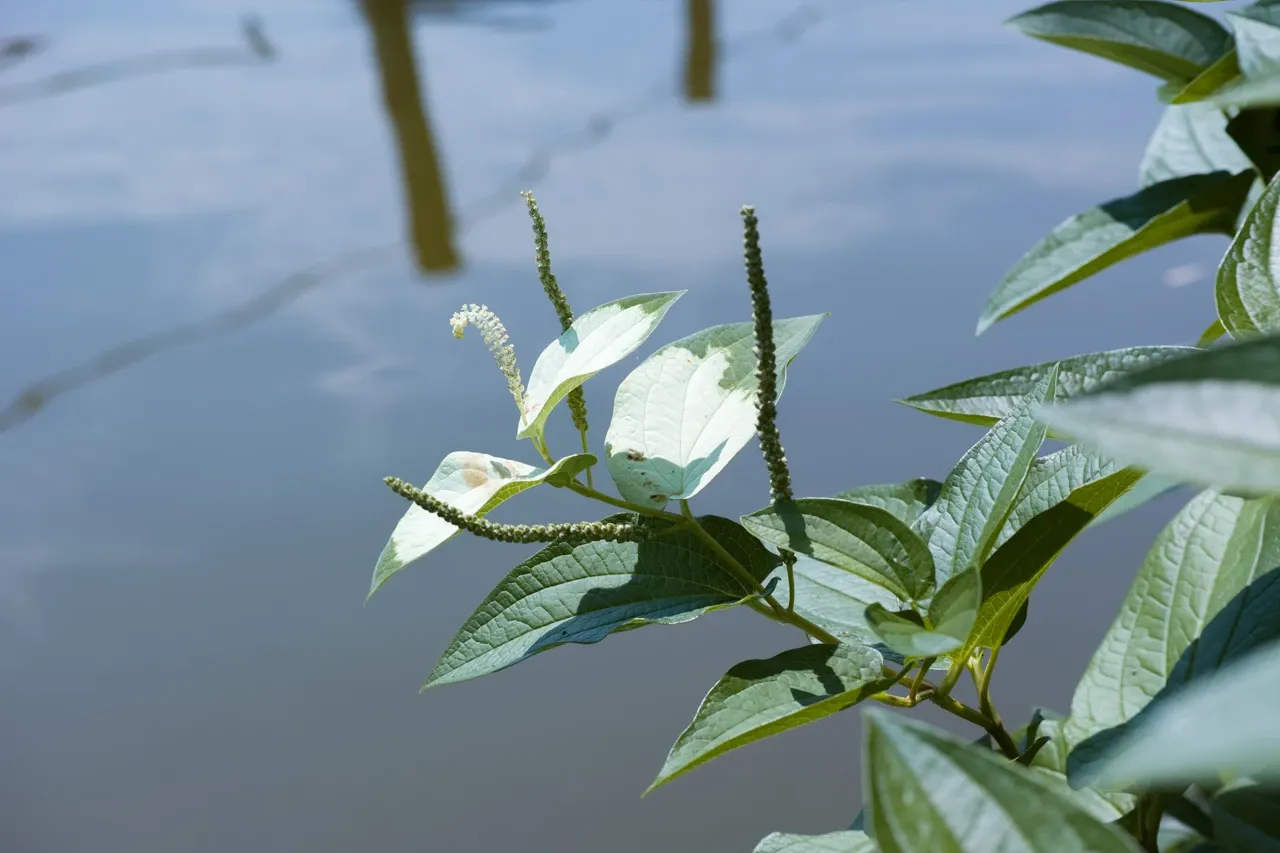
Since I’m the one proposing rest, I won’t ask for anything dramatic. Just focusing on looking back and checking where things stand is about right, don’t you think? That could include gathering some material for planning the second half… Step on the scale. Check your bank statement. Delete some photos from your phone. Cut social media connections with people you don’t actually know. Look inside your drawers. Etc.
Talk it through
Some of you may have set goals at the start of the year and shared them with friends or family. Why not give them a midterm report? Then again, many of us keep private matters to ourselves. Even so, talking through the first half of your year with a generative AI could be a quick and easy option.
A simple prompt example:
Today is July 2, the halfway point of the year.
Here are my goals for this year and how far I've gotten. Please give me some advice for the second half.

Goals:
- Lose 5 kg → down 3 kg so far
- Exercise once a week → mostly keeping it up
Revise your plans
Plans. Such a stiff, angular word. The moment you make one, you feel a sense of accomplishment, as if something has already been built. Faced with the word, people feel a mild intoxication… or maybe not. Either way, a whole year was too long for a plan. I’ve already forgotten what I planned in January. But with six months left, maybe I can get something done. Six months is short enough to focus and finish something coherent.
In any case, if you’ve made it through the first half, the second half should go well too. With that in mind, it’s a good moment to look over your plans again or rework them. July 2 is the middle day, belonging to neither half. Why not see it as a chance to take an objective look at where you stand?
Try your fortune
Around this time of year, you may see chinowa kuguri at Shinto shrines in Japan: a ritual of walking through a large ring woven from grass. It is part of Nagoshi no Harae, a summer purification rite held on the last day of June, June 30, and it carries the same meaning as a halfway point. Just as people draw fortunes on their first shrine visit of the New Year, drawing an omikuji (fortune slip) at this time could be fun too.
In a playful spirit, fortune-telling is one more way of gaining a fresh perspective.
Please Support Halfway Day
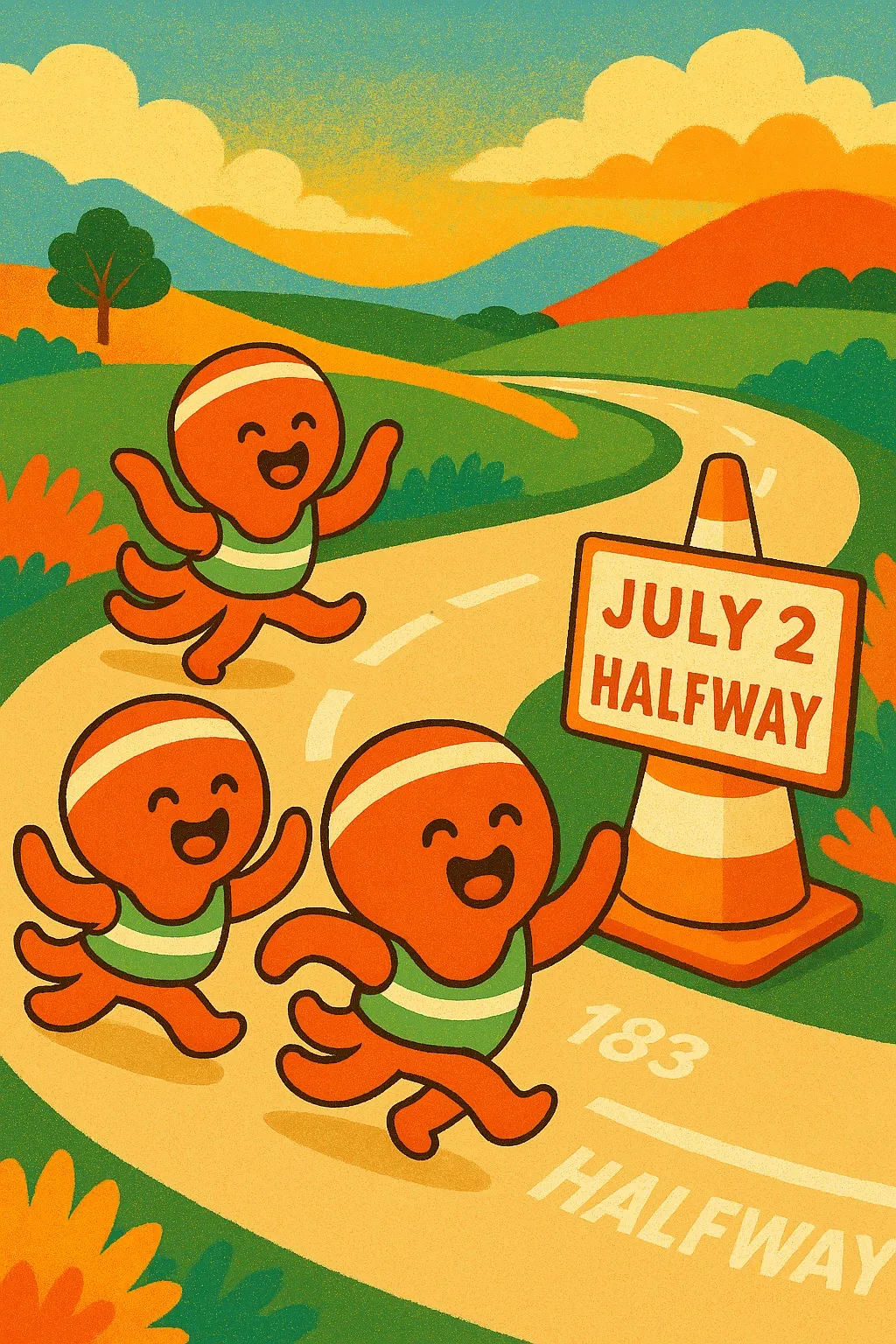
“Do you know what July 2 is?” I’ve asked many people this question. Not a single person has answered, “It’s the middle of the year.”
Strange, isn’t it? New Year’s Day, its opposite, gets so much preparation and fanfare that we even wish each other “Happy New Year,” yet its counterpart goes completely unknown.
I want to shine a spotlight on July 2, long overlooked, the turnaround point in the marathon of the year, and spread awareness of it as the halfway day.
If you’re interested in this effort, I’d be grateful if you could help spread the word on social media or by word of mouth. And if this site proves useful to people who want a quick introduction to July 2, nothing would make me happier.
Articles